Why Dark Spots Stay: The Hidden Causes of Persistent Hyperpigmentation
At Beautage Anti-aging Clinic in Toronto, many new clients arrive after years of battling stubborn dark spots and patches. Despite countless creams and a shelf of “brightening” serums, lingering hyperpigmentation can dampen self-confidence and provide continual frustration. For most, the real challenge isn’t lack of effort—it’s not understanding what’s truly fueling those persistent patches.
This blog explains the less obvious causes of hyperpigmentation in the Toronto climate, why some treatments fall short, and what professional clinics like Beautage do differently to finally make progress. We’ll also explore how both advanced technology and clinic know-how combine for better outcomes.
What you’ll find below:
- The true causes of lasting hyperpigmentation
- Reasons that home treatments may not work
- Clinic-based options available in Toronto
- How to get realistic, lasting results with professional guidance
Unmasking the Real Causes of Hyperpigmentation
Hyperpigmentation is commonly blamed on sun exposure or aging, but those are only part of the equation. In Toronto, fluctuating weather, ongoing sun exposure—even in colder months—and hormonal shifts all play roles. For many, the root triggers include:
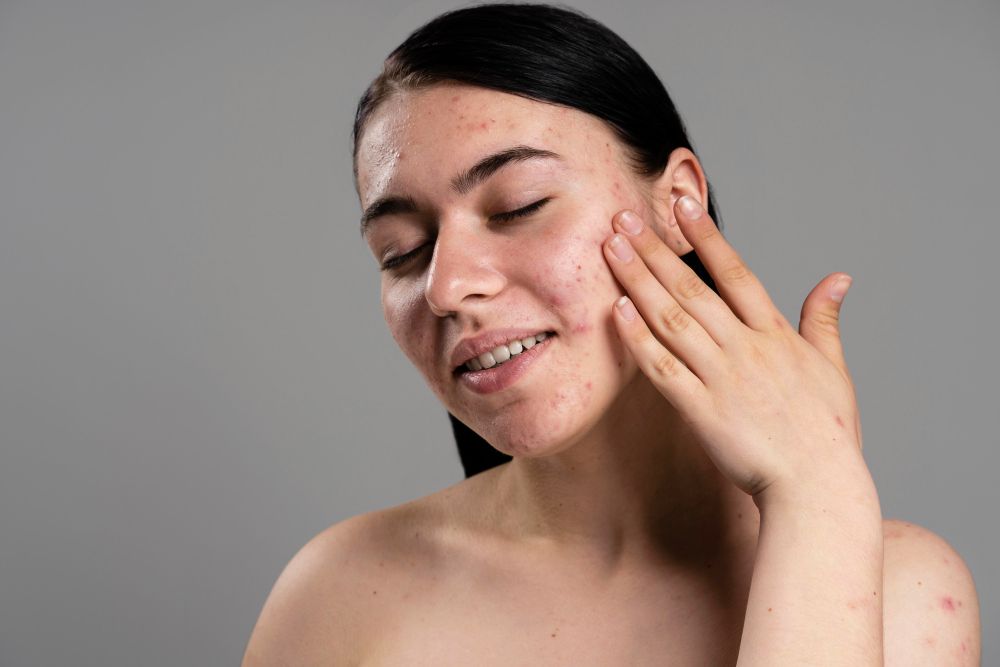
● Post-inflammatory hyperpigmentation: Spots left behind after acne flare-ups, bug bites, or even minor injuries
● Hormonal changes: Melasma or pigmentation spurred by pregnancy, birth control, or hormonal imbalances
● Sun exposure: Even brief sun contact, accumulated across seasons, can worsen or trigger pigment production
● Genetics: Some skin types simply have a greater tendency to deposit melanin when irritated
What’s often overlooked is that these triggers interact, and pigmentation “memory” can persist deep in the skin. That’s why short-term fixes from over-the-counter products rarely produce lasting change—especially for Toronto residents contending with both urban sun and erratic weather shifts.
Where At-Home Solutions Fall Short
Many clients spend years cycling through over-the-counter serums, fading creams, and exfoliants. Few see consistent improvement, which often leads to disappointment and confusion. The core reasons for this:
● Inadequate strength: Most drugstore products aren’t potent enough to break through deep-seated pigmentation
● Lack of assessment: Self-treating without a skin analysis means you may be misidentifying the type or trigger for your spots
● Irritation cycle: Harsh, frequent use of actives like acids or retinoids can cause more inflammation, leading to rebound pigmentation
● Missed prevention: Without proper sun protection (even in winter), any fading gains are quickly erased
This cycle leads many in Toronto to eventually seek clinic-based treatment, looking for targeted solutions matched to their unique skin and lifestyle.
How Clinics Like Beautage Approach Stubborn Pigmentation
At Beautage Anti-aging Clinic, every hyperpigmentation consultation begins with in-depth skin mapping and a review of factors like hormones, medications, skin care history, and environmental exposures. Depending on your exact needs and pigmentation type, treatment could include:
● Prescription topicals: These may contain hydroquinone, retinoids, or vitamin C in medical-grade strengths
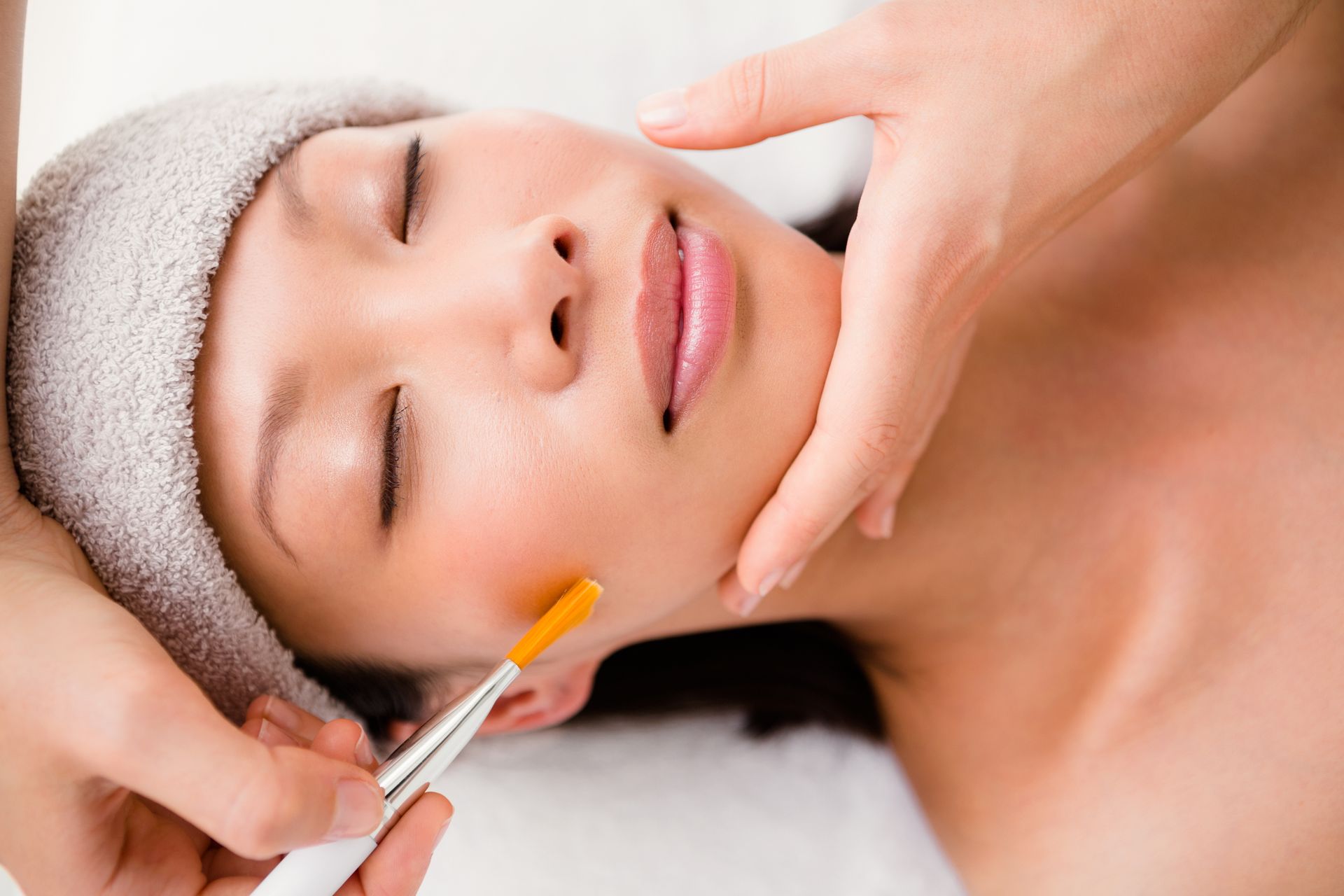
● Professional chemical peels: These promote faster cell turnover and break down melanin, under careful supervision
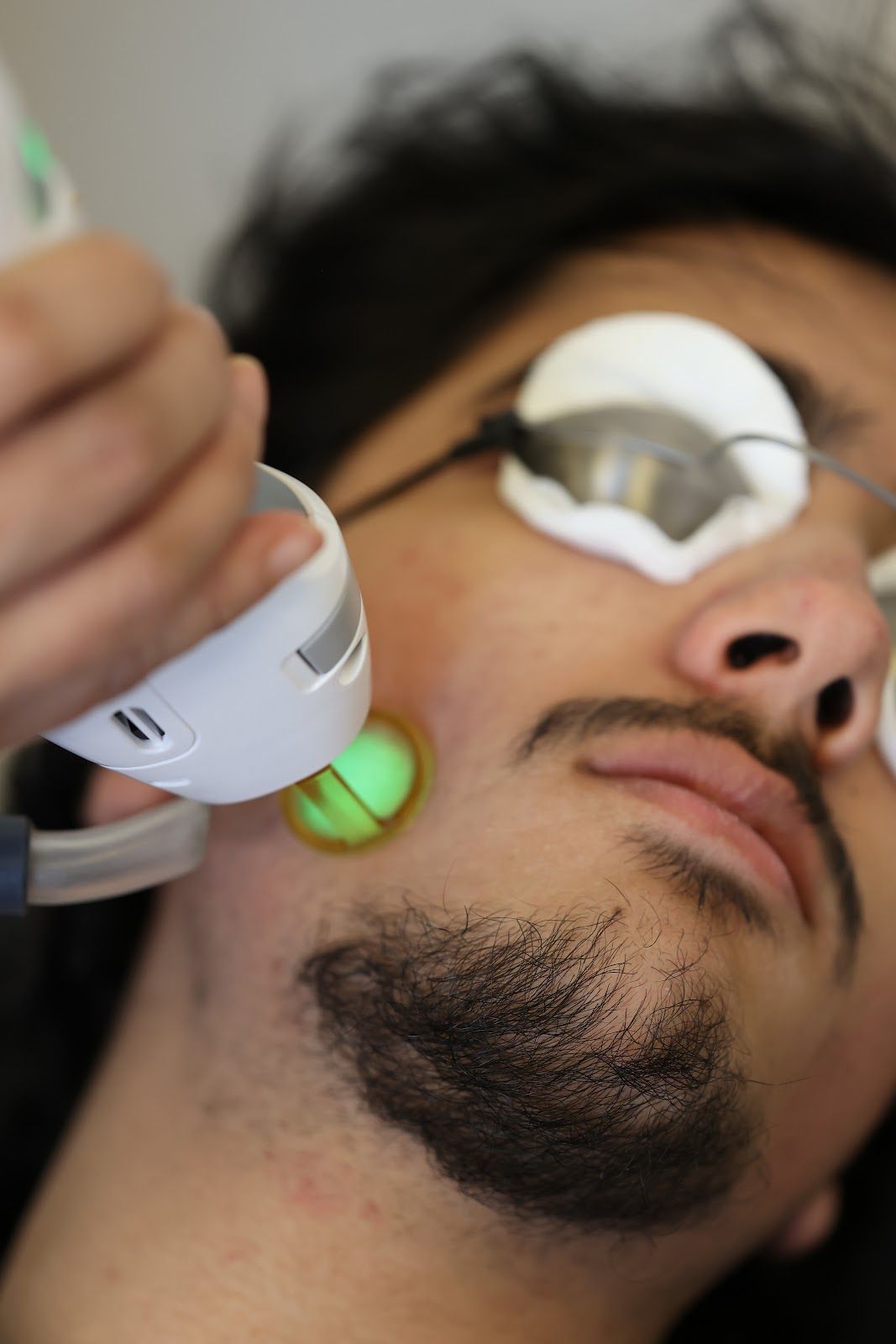
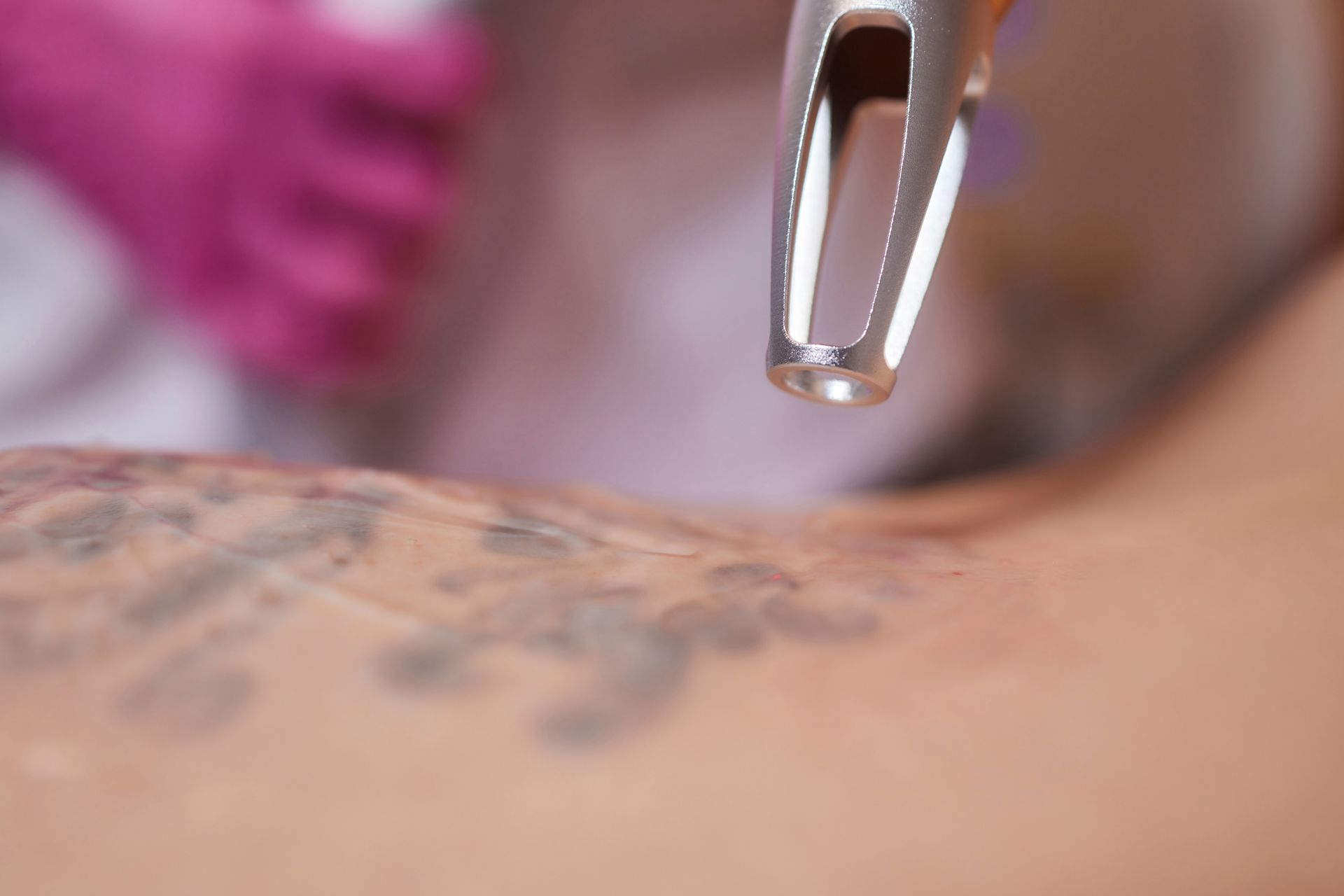
● Advanced laser therapies: Fractional and Q-switched lasers target pigment with precision, often used in combination with peels
● Lifestyle and sun habits: Ongoing education about UV protection, even during Toronto’s cloudier months, to prevent regression
This individualized approach is rarely matched by pharmacy purchases or online trends. The result is a plan adapted not just to your skin, but to Toronto’s unique light patterns and urban environment.
Realistic Expectations and Lasting Results
Many new clients are surprised to learn that persistent hyperpigmentation almost always requires a series of treatments spaced weeks apart. Instant fixes are rare, and a collaborative approach—pairing in-clinic sessions with guided at-home care and sun protocols—delivers the steadiest, longest-lasting change.
Long-term improvement isn’t only about the initial treatment. Maintenance with antioxidant serums, strict SPF, and periodic check-ins can keep pigment at bay, even after visible change. Beautage prioritizes honest timelines, real results, and careful adaptation for Toronto’s diverse client base.
When to Seek Clinic Support
If you’ve tried multiple topical treatments with little progress, or notice your pigmentation returning with each change of season, it’s time to seek specialized care. An accurate diagnosis and professional-strength options are the difference between a cycle of frustration and genuine progress.
Skin’s natural renewal can be supported but not rushed. With good assessment and the right protocols, even the most stubborn dark spots can be meaningfully improved.
Finding Your Solution
Each client’s pigmentation story is shaped by climate, health history, and everyday habits. The smartest way forward is to step away from generic fixes and connect with clinical professionals who understand the specific challenges of treating skin in Toronto’s conditions.
Take the next step by booking a personalized skin assessment at Beautage Anti-aging Clinic. With careful mapping and a medical-grade approach, real and lasting clarity is possible.
Share This Blog